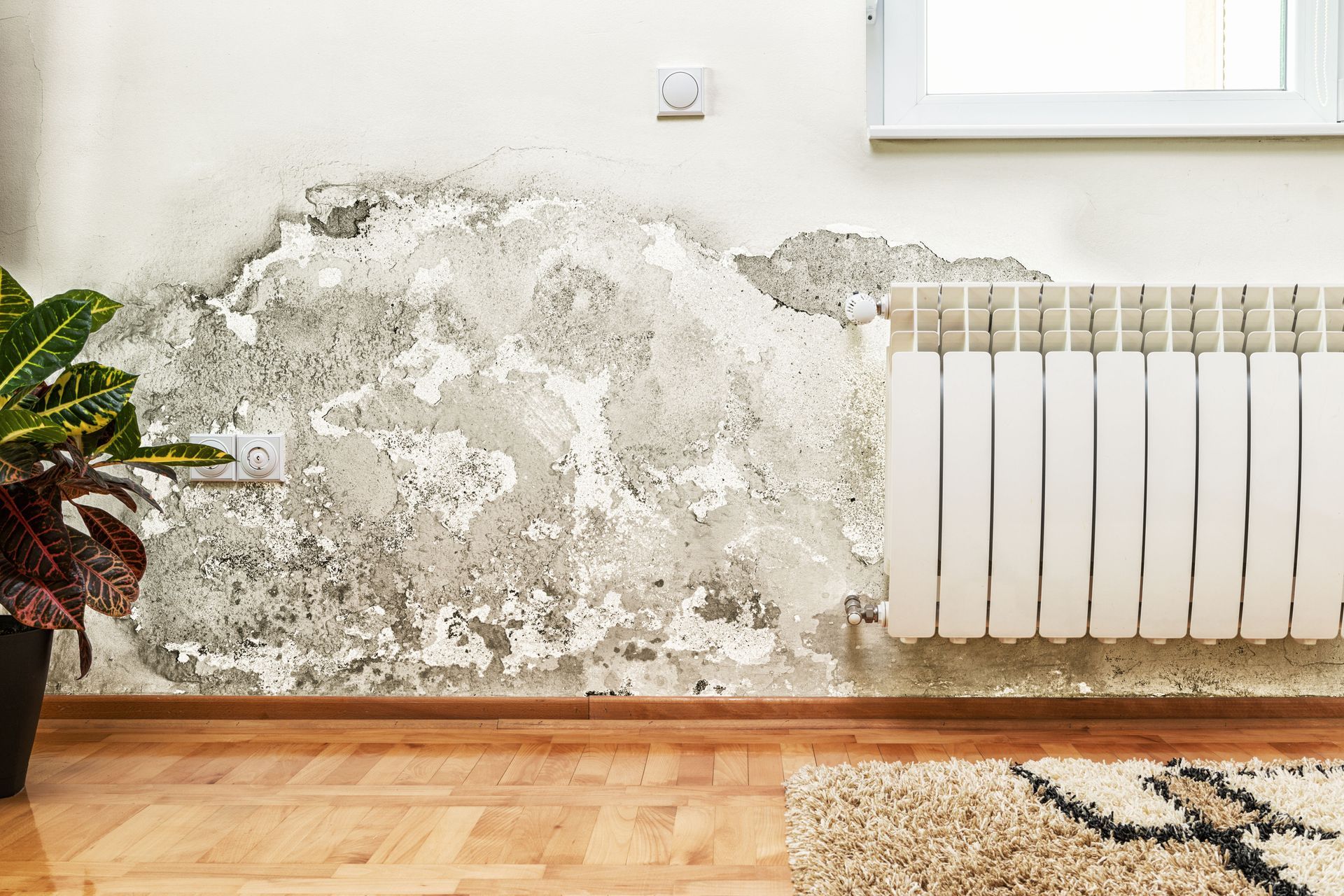
Experiencing sudden water intrusion inside a residential property or commercial building presents an immediate threat to structural integrity, personal property, and indoor air quality. Whether caused by burst plumbing lines, overflowing appliances, severe weather storms, or foundation seepage, standing water rapidly migrates through porous building materials, soaking drywall, carpet padding, subfloors, and ceiling structures. Beyond visible surface damage, unaddressed moisture creates an ideal environment for secondary structural degradation, warped framing, and harmful fungal growth within hidden wall cavities. Initiating a swift, disciplined, and professional water restoration protocol remains essential for mitigating damage, preserving building materials, and returning living spaces to a clean, safe, and dry condition.
Navigating the aftermath of a major moisture emergency requires far more than basic surface mop-up efforts or relying on household fans. Water moves along paths of least resistance, saturating underlying insulation and pooling beneath floorboards where standard visual inspections cannot detect it. Partnering with certified environmental recovery specialists ensures that every phase of the cleanup—from initial hazard assessment through structural drying and final rebuilds—is executed using industrial equipment and scientific moisture-tracking tools. Understanding the critical steps involved in comprehensive structural drying empowers property owners to act decisively, protecting their financial investment and restoring total peace of mind following unexpected water emergencies.
Assessing Damage and Inspecting Structural Safety
Executing a detailed initial damage assessment forms the foundation of any successful structural recovery project. Before technicians begin extracting liquid or removing damaged finishes, they must evaluate the site for immediate safety hazards, such as compromised electrical wiring, weakened structural framing, and contaminated water sources. Categorizing the incoming liquid—whether clean tap supply, gray appliance discharge, or unsanitary sewage backflow—determines the exact safety protocols, protective gear, and chemical treatments required throughout the cleanup process.
Restoration specialists deploy advanced diagnostic tools, including thermal imaging cameras and invasive pin moisture meters, to map the precise boundaries of moisture migration. Thermal imaging identifies temperature differentials hidden behind walls and beneath flooring, pinpointing trapped liquid pockets without requiring unnecessary wall demolition. Documenting affected building elements early allows technicians to formulate a customized drying plan tailored to specific substrate materials, preventing unnecessary structural teardowns and streamlining recovery timelines.
Extracting Standing Surface Liquid Rapidly
Removing standing liquid as quickly as possible represents the single most critical step in preventing secondary damage and structural warping. Water continuously absorbs into porous materials, swelling wood grain, dissolving drywall binders, and loosening floor adhesives the longer it sits. Deploying high-capacity, truck-mounted extraction units and heavy-duty submersible pumps allows restoration crews to remove bulk surface liquid within hours of arriving on site.
Specialized weighted extraction tools, known as deep-extraction rovers, pull trapped moisture directly from carpet fibers and underlying underlayment padding without requiring complete floor removal. Rapid liquid extraction dramatically reduces ambient humidity levels inside the structure, preventing moisture from evaporating into the air and re-condensing on unaffected ceilings and upper walls. Completing thorough extraction lays the groundwork for efficient, high-speed structural dehumidification across all affected rooms.
Stabilizing Climate and Controlling Environmental Factors
Controlling indoor relative humidity and air circulation stops secondary damage and fungal germination in its tracks. Organic materials saturated with moisture begin harboring active microbial growth quickly if ambient temperatures and humidity remain elevated. While managing moisture emergencies, homeowners should also remain mindful of general indoor air safety standards. According to EPA, nearly one in 15 U.S. homes has elevated radon levels. Maintaining overall environmental awareness, including balanced ventilation and clean air filtration, ensures that indoor spaces remain healthy and safe during complex structural repairs.
Restoration technicians install industrial refrigerant and desiccant dehumidifiers alongside high-velocity air movers to manage the indoor microclimate. Air movers direct powerful air streams across damp wall bases and subfloors, driving trapped moisture out of solid materials and into the surrounding air mass. Dehumidifiers continuously pull that humid air across freezing coils or chemical desiccants, condensing moisture into liquid drops that pump safely out of the building. Maintaining continuous, optimal drying conditions accelerates moisture evaporation from deep structural framing elements.
Removing Non-Restorable Contaminated Materials
Determining which building elements can be salvaged versus which must be removed prevents hidden contamination and long-term structural failure. Highly porous items that have absorbed unsanitary water or suffered severe structural degradation—such as saturated drywall, blown insulation, sagging ceiling tiles, and foam carpet padding—must be carefully cut away and discarded. Removing these non-restorable materials exposes damp structural wall studs and floor joists to direct airflow, speeding up the drying process.
Technicians perform controlled demolition techniques, such as making neat flood cuts a short distance above the high-water mark on drywall panels. Removing lower wall sections allows air to circulate freely within wall cavities, drying hidden wooden studs and electrical conduit raceways safely. Discarding unsalvageable materials early eliminates source odors, reduces overall drying time, and guarantees that new building materials are eventually installed over completely clean, dry framing assemblies.
Cleaning and Sanitizing Saturated Building Surfaces
Applying specialized anti-microbial and botanical cleaning solutions eliminates bacteria, viruses, and fungal spores left behind by invading water sources. Even clean water sources quickly turn unsanitary as liquid dissolves accumulated household dust, soil, and surface residues across floors and lower framing. Thorough chemical sanitization neutralizes biological threats, removes musty odors, and prepares remaining structural elements for eventual reconstruction.
Technicians utilize microfiber wiping systems, high-pressure washing tools, and botanical biocide sprays to sanitize semi-porous surfaces like concrete foundations, brick masonry, and solid subfloors. Deep cleaning cleanses wood grain pores, preventing lingering odors from penetrating deeper into structural assemblies. Thorough surface sanitization ensures that once new drywall and flooring finishes are installed, the underlying structure remains completely hygienic and free from lingering biological contaminants.
Monitoring Drying Progress and Verifying Completion
Achieving true structural dryness requires continuous scientific monitoring rather than relying on basic physical touch or visual appearance. Building materials can feel dry to the human hand while still retaining dangerous levels of internal bound moisture that promote hidden rot over time. Restoration specialists visit the property daily throughout the drying phase to record relative humidity levels, ambient air temperatures, and direct moisture content readings across affected substrates.
Technicians establish dry standards by measuring unaffected materials in dry areas of the building, using those baseline numbers to determine when damaged zones have returned to safe moisture levels. Detailed daily logs track drying progress, allowing technicians to reposition air movers and adjust dehumidifier settings for maximum efficiency. Once all moisture meter readings match predetermined dry standards, the drying equipment is removed, confirming that the structure is fully stabilized and ready for final cosmetic rebuilding.
Successfully recovering from a major moisture disaster requires a systematic, scientifically grounded strategy that addresses standing liquid, hidden saturation, environmental humidity, and surface sanitization. Delaying professional intervention or attempting to manage structural drying without specialized extraction and dehumidification equipment risks severe long-term structural rot, ruined finishes, and compromised indoor air quality.
At Restoration Contracting Services, we are deeply committed to protecting your home, personal safety, and property investment through comprehensive, rapid-response structural drying and environmental recovery solutions. Our experienced team of certified water restoration professionals brings deep technical expertise, state-of-the-art diagnostic equipment, and meticulous attention to detail to every residential and commercial project we handle across our community. We take immense pride in evaluating complex moisture damage, deploying high-capacity extraction tools, managing precision dehumidification, and thoroughly sanitizing structural framing to ensure a complete, healthy recovery. Contact us today to schedule your comprehensive site evaluation and discover how our dedicated team can restore your property to peak condition.