By Penny Bonura
November 24, 2026
When a sudden pipe bursts, an appliance malfunctions, or severe weather drives floodwaters into a building, the resulting chaos can quickly overwhelm any property owner. Standing water seeps into porous building materials within minutes, threatening the structural stability of floors, drywall, and wooden framing. Attempting to manage severe water intrusion without specialized intervention often leads to hidden moisture pockets, lingering odors, and expensive long-term repairs. Professional water restoration companies step into these high-stress emergencies to stabilize the environment, mitigate ongoing damage, and execute a systematic recovery plan that returns residential and commercial spaces to safe, pre-loss conditions.
Beyond simply removing visible puddles, comprehensive property recovery requires a scientific understanding of psychrometry, building materials, and microbial prevention. Certified specialists arrive equipped with industrial-grade extraction units, advanced moisture detection meters, and hospital-grade antimicrobial agents to address every layer of the emergency. By relying on trained professionals rather than unverified shortcuts, property owners protect their real estate investments and safeguard indoor air quality. The following sections outline the core phases of professional recovery, demonstrating how certified teams handle everything from initial extraction to insurance documentation.
Extracting Standing Water and Mapping Hidden Moisture
The initial phase of any emergency response centers on rapid water removal and thorough diagnostic mapping. Technicians evaluate the extent of water intrusion and identify areas that have suffered the most damage. This strategic evaluation is crucial as it sets the groundwork for the entire restoration process. Utilizing state-of-the-art technology, such as thermal imaging cameras, detection is precise and comprehensive. According to the Environmental Protection Agency (EPA), water-damaged materials should ideally be dried within 24 to 48 hours to prevent further damage. Once the scope of the intrusion is mapped, teams deploy submersible pumps and truck-mounted vacuum units to extract hundreds of gallons of standing water in a fraction of the time standard equipment would require.
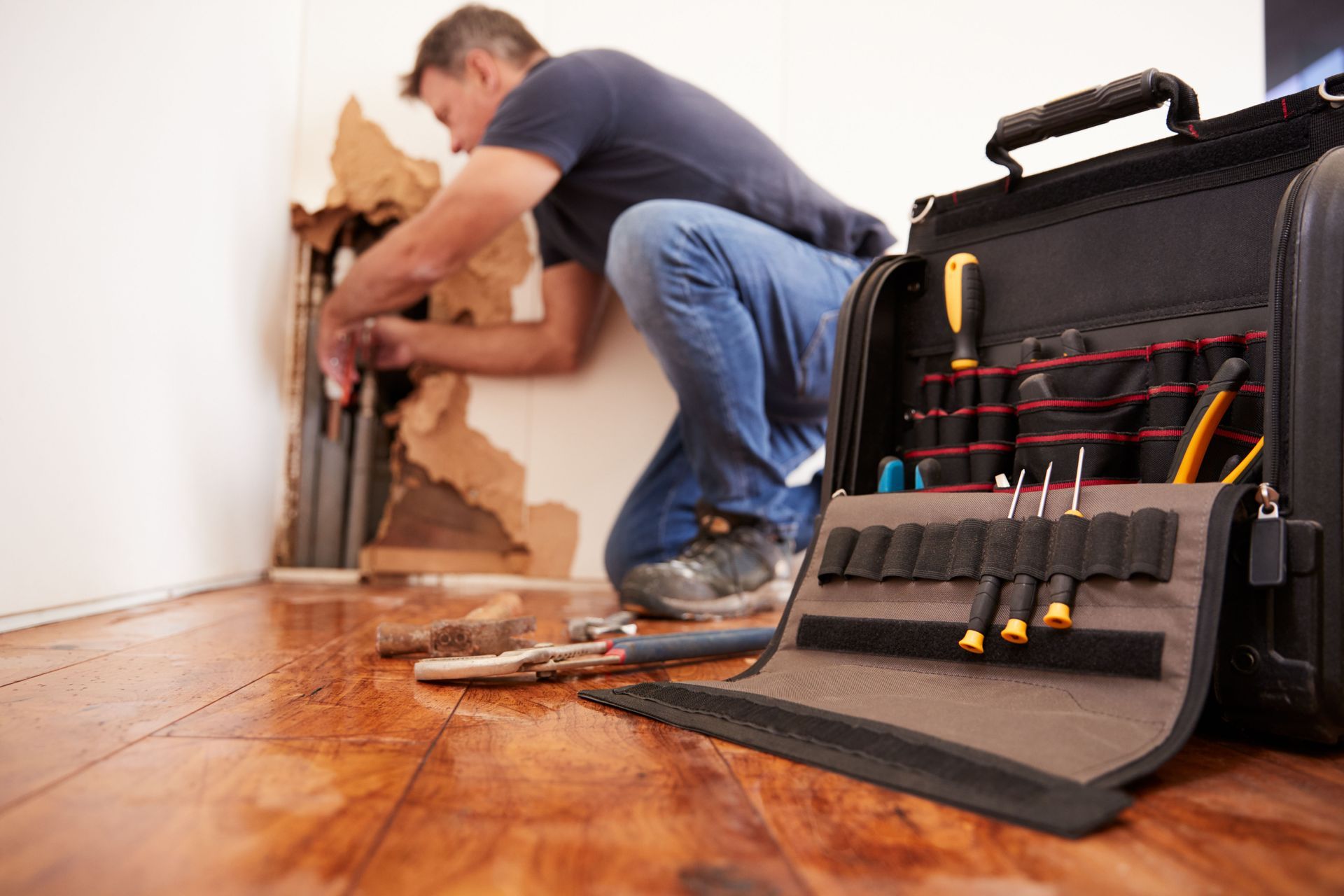
Following bulk extraction, specialists address trapped moisture that has migrated behind baseboards, beneath hardwood planks, and inside wall cavities. Using non-invasive hygrometers and penetrating pin meters, technicians chart exact moisture readings across every affected room to ensure no damp pockets go unnoticed. Debris and unsalvageable materials, such as saturated carpet padding or compromised drywall, are safely removed and disposed of in strict compliance with local environmental regulations. Through this disciplined approach to extraction and mapping, water restoration companies prevent secondary structural deterioration and prepare the building envelope for targeted drying.
Drying Structures and Controlling Ambient Humidity
After visible water and saturated debris are cleared, the focus shifts to evaporating bound moisture from structural components. Technicians strategically position high-velocity air movers across floors and walls to create continuous airflow, which draws trapped water vapor out of dense wood framing and subflooring. Simultaneously, commercial low-grain refrigerant or desiccant dehumidifiers pull that evaporated moisture directly out of the air, maintaining a precise balance between temperature, airflow, and relative humidity. Without this controlled psychrometric environment, evaporated moisture would simply reabsorb into dry ceilings and unaffected rooms, compounding the overall loss.
Throughout the multi-day drying phase, technicians return daily to log atmospheric readings and verify progress against established drying goals. Using real-time moisture data, specialists adjust the placement of air movers, modify heater settings, and calibrate dehumidification equipment to accommodate dense materials like plaster or hardwood. By maintaining meticulous drying logs and adapting strategies to the unique architecture of the building, water restoration companies ensure that hidden structural cavities reach verified dry standards before any reconstruction begins.
Remediating Mold Growth and Purifying Indoor Air
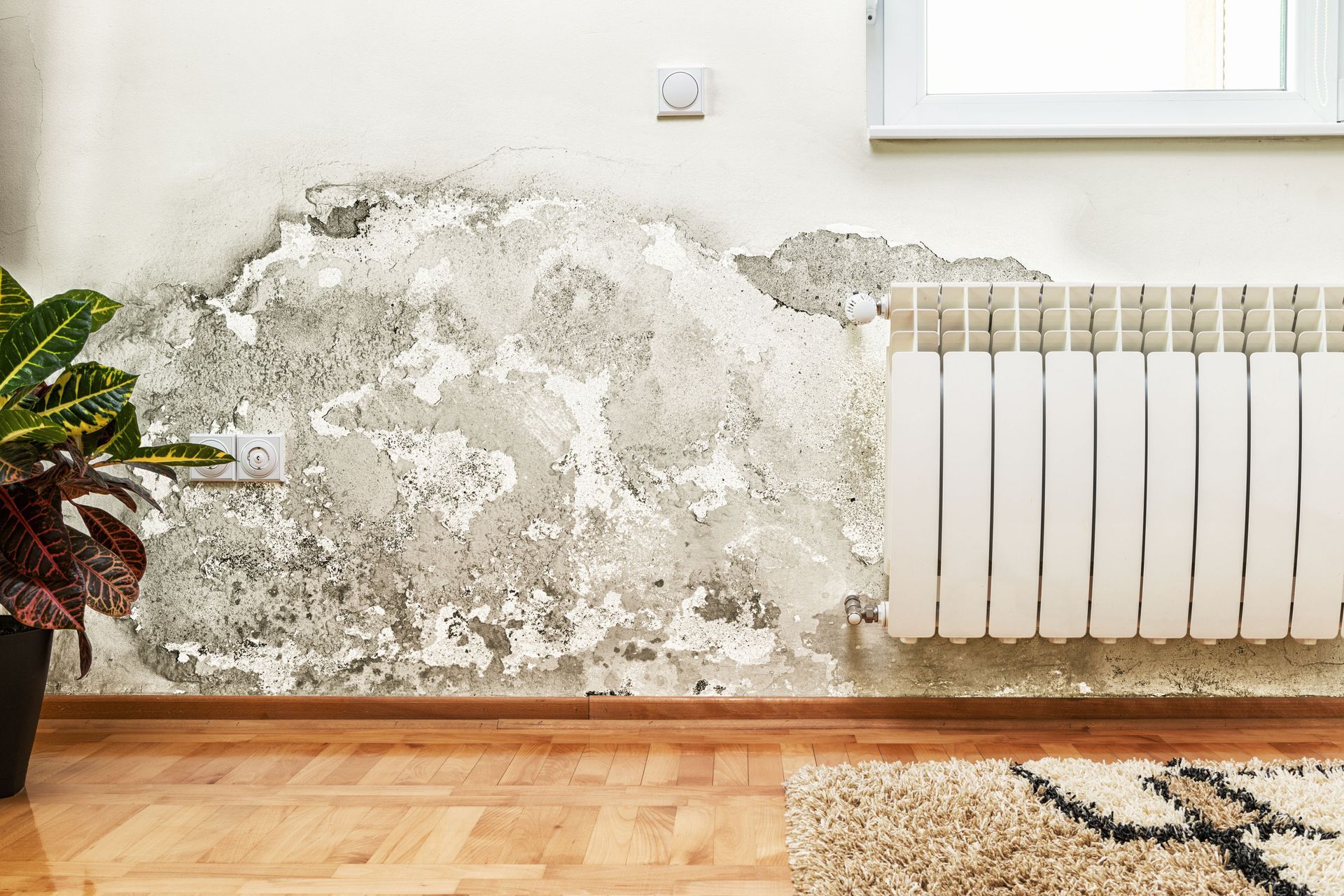
Because microscopic fungal spores exist naturally in indoor environments, lingering dampness can trigger active mold colonies within days of a water emergency. When elevated moisture levels or visible microbial growth are discovered, certified specialists initiate strict containment protocols before disturbing affected surfaces. Technicians erect heavy-duty polyethylene barriers and install negative air machines equipped with high-efficiency particulate air (HEPA) filters. This negative pressure environment ensures that airborne spores are captured inside the containment zone rather than drifting through HVAC ducts into clean areas of the property.
Once the workspace is securely isolated, specialists carefully remove and bag mold-infested materials, such as compromised insulation, drywall, and carpeting, following established industry safety guidelines. Exposed framing and subfloors are then scrubbed with specialized wire brushes, vacuumed with HEPA-rated equipment, and treated with EPA-registered antimicrobial solutions to inhibit future fungal growth. By combining physical source removal with continuous air scrubbing, water restoration companies restore healthy indoor air quality and eliminate biological hazards that could otherwise compromise occupant health.
Eliminating Lingering Odors and Deodorizing Affected Spaces
Water intrusion and microbial activity frequently leave behind persistent, unpleasant smells caused by stagnant water, organic decay, and microbial volatile organic compounds. Simply masking these smells with commercial fragrances fails to resolve the underlying contamination, allowing foul odors to return whenever humidity rises. Instead, restoration specialists conduct targeted source identification to locate odorous residues trapped inside porous materials, upholstery, and ductwork. Once the physical sources are cleaned or removed, technicians select specialized deodorization treatments tailored to the specific chemistry of the odor.
For pervasive smells embedded deep within structural framing, specialists utilize thermal fogging equipment that disperses a fine deodorizing mist, replicating the exact penetration path of the original moisture or smoke particles. In severe cases, technicians deploy hydroxyl generators, which safely neutralize odor molecules in occupied spaces without harming electronics or fabrics, or utilize controlled ozone treatments in unoccupied zones to oxidize stubborn organic compounds. Through these multi-stage purification methods, water restoration companies permanently neutralize airborne and surface odors, leaving indoor environments genuinely fresh and clean.
Restoring Valuables and Navigating Insurance Claims
A major water loss threatens far more than drywall and flooring; it also jeopardizes irreplaceable personal heirlooms, critical business records, and high-value furnishings. To protect movable contents, specialists carefully inventory, pack, and transport salvageable items to climate-controlled processing facilities. Delicate books, legal documents, and photographs undergo specialized vacuum freeze-drying, a sublimation process that removes ice crystals directly as vapor without causing pages to swell, warp, or bleed ink. Upholstered furniture, rugs, and electronics receive tailored cleaning and ultrasonic restoration to return them to pre-loss condition while structural repairs take place.
Alongside physical recovery, navigating property insurance requirements often presents a daunting administrative hurdle for overwhelmed owners. Experienced project managers streamline the claims process by compiling comprehensive photo logs, itemized inventories, thermal imaging reports, and daily moisture readings that substantiate the necessity of every restoration step. Specialists communicate directly with insurance adjusters using industry-standard estimating software to clarify coverage details and prevent costly claim delays. By pairing specialized content preservation with thorough claims documentation, water restoration companies relieve property owners of administrative burdens while maximizing their rightful financial recovery.
Recovering from severe water damage demands rapid coordination, industrial technology, and strict adherence to industry safety standards. Every phase of professional recovery, from initial thermal diagnostics and structural drying to mold containment, odor neutralization, and insurance documentation, works together to protect both physical structures and occupant well-being. Attempting to navigate these complex biological and structural challenges without certified expertise risks hidden decay, recurring microbial growth, and denied insurance claims.
When a plumbing failure, appliance leak, or storm threatens your home or commercial building, immediate professional intervention makes the difference between a manageable cleanup and a devastating structural rebuild. Experienced
water restoration companies possess the certified technicians, specialized equipment, and proven protocols required to stop damage in its tracks and restore normalcy safely. If your property has suffered water intrusion, contact Restoration Contracting Services today to schedule an emergency inspection and begin your complete restoration.