By Penny Bonura
November 25, 2026
Water damage can affect a property in several ways, from minor leaks that gradually weaken building materials to sudden flooding that leaves rooms submerged. Regardless of the cause, addressing moisture problems promptly is essential to protecting a building's structure and preventing additional complications. However, misconceptions about the cleanup and recovery process can cause property owners to make decisions that worsen the damage or delay necessary repairs.
Water intrusion can result from burst pipes, appliance malfunctions, severe storms, or plumbing failures, making it difficult to predict when problems will arise. According to RubyHome, approximately 14,000 people throughout the United States experience water damage each day. With so many properties affected by unexpected water intrusion, understanding the recovery process is important for homeowners and business owners alike. Knowing how to respond and understanding the water damage restoration process can make a significant difference in limiting property damage.
Separating common myths from accurate information can help property owners recognize when professional assistance is necessary and make more informed decisions about restoring their spaces.
Myth 1: Water Damage Is Only a Surface-Level Problem
Hidden Moisture Can Cause Significant Damage
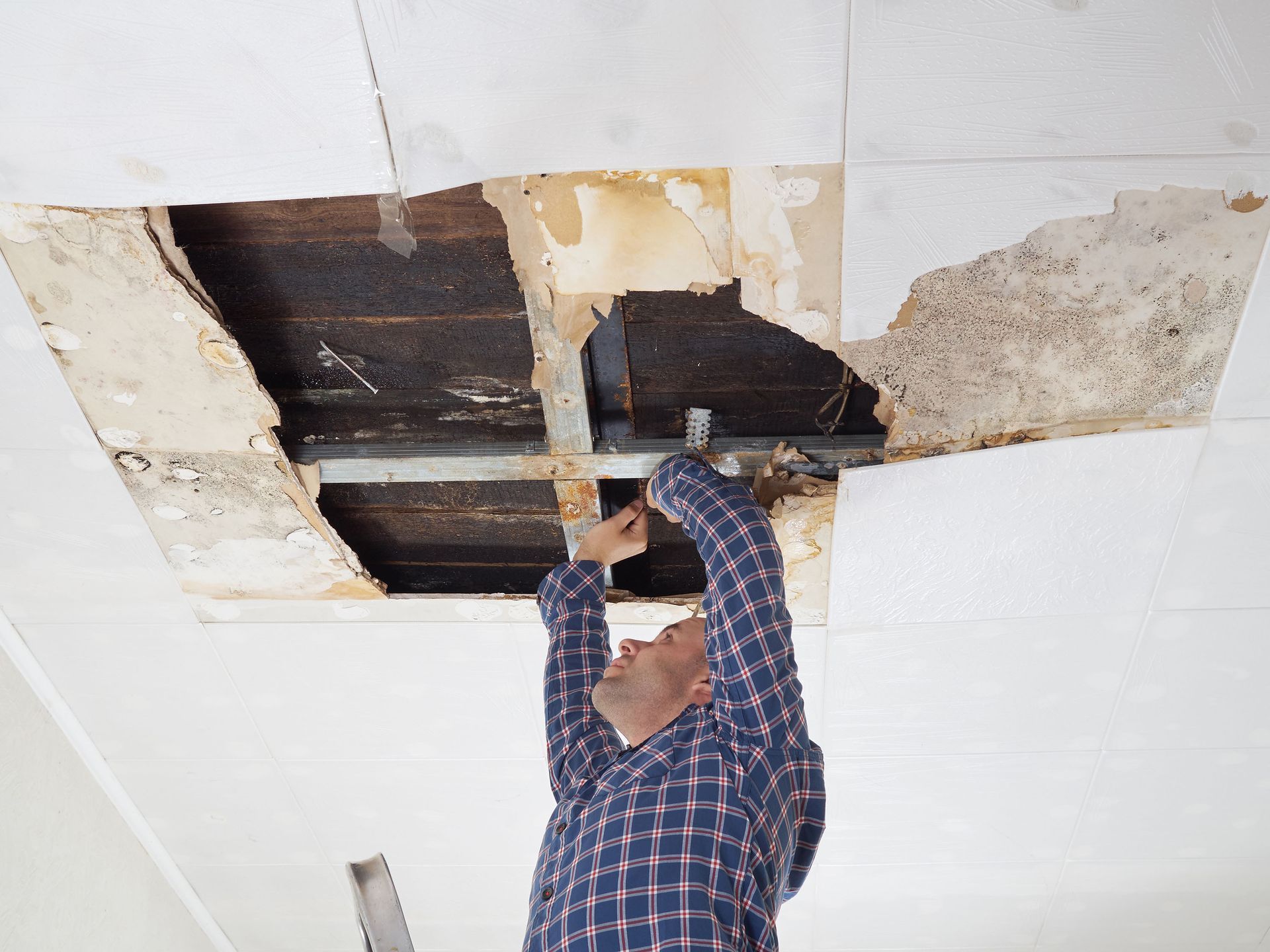
One of the most common misconceptions about water damage is that the visible signs represent the full extent of the problem. While wet carpets, stained ceilings, and damp flooring are easy to recognize, moisture can travel beyond the surfaces where it first appears. Water may seep behind drywall, beneath floorboards, into insulation, and throughout structural framing. These concealed areas can retain moisture long after visible puddles have disappeared.
Ignoring hidden moisture can lead to several complications. Wood framing may absorb water and begin to warp or deteriorate, while drywall can weaken and lose its structural integrity. Insulation that becomes saturated may also lose its effectiveness and require replacement. Without a thorough inspection, property owners may overlook affected materials and allow damage to continue developing. Professional water damage restoration addresses these less obvious concerns rather than focusing exclusively on visible water.
Mold and Structural Deterioration Are Potential Consequences
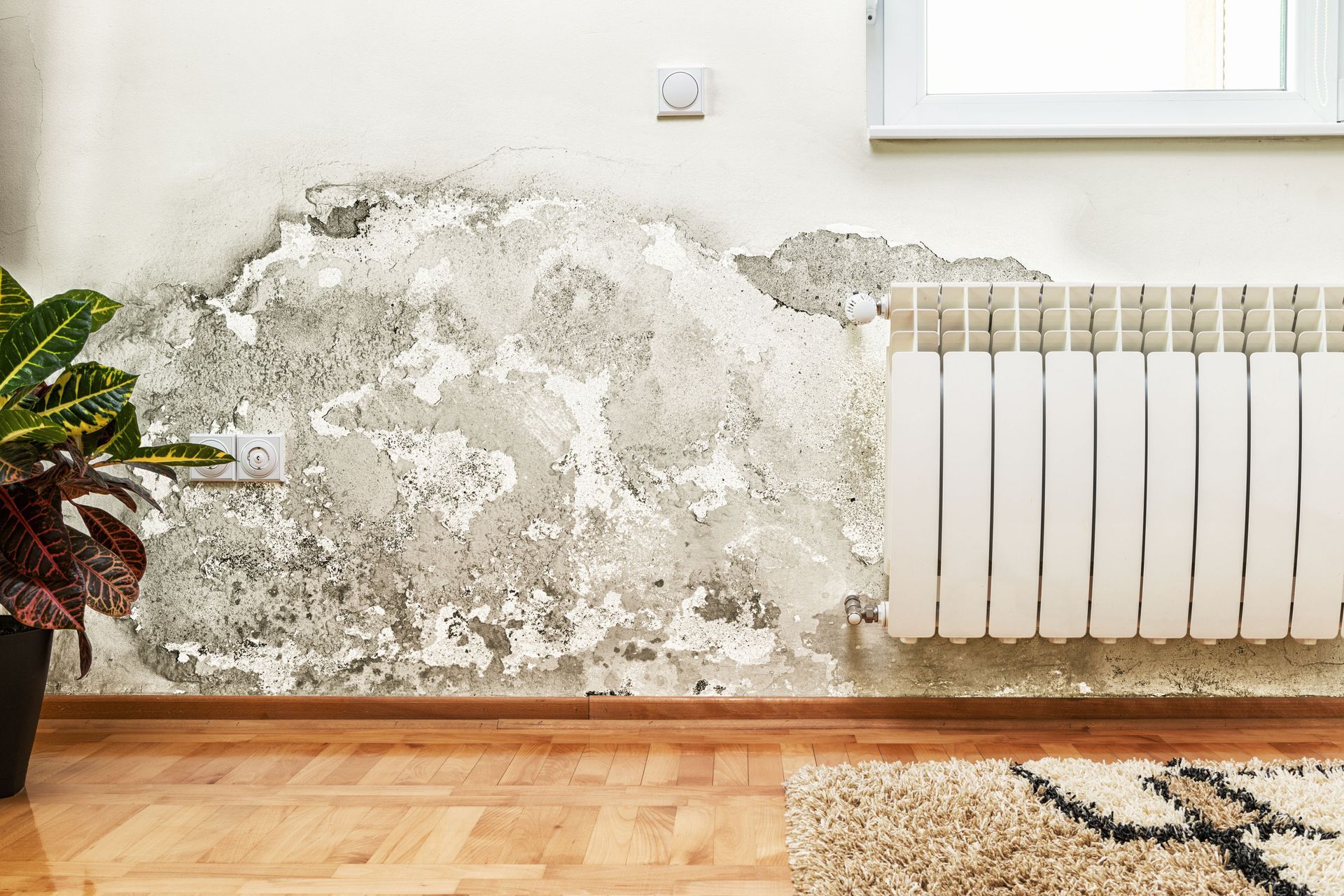
Another reason surface-level cleanup is insufficient involves the potential for mold development. Damp materials and areas with limited airflow can create conditions that support mold growth. This may occur behind walls, beneath carpeting, or in other concealed spaces where moisture remains trapped. Mold can affect indoor air quality and create additional cleanup requirements if the underlying moisture problem is not corrected.
Structural deterioration is another concern when water remains inside building materials. Prolonged exposure can contribute to wood rot, corrosion, damaged subfloors, and weakened building components. These problems may become increasingly expensive to address as time passes. A professional assessment helps identify affected materials and determine which components can be dried and preserved and which may need replacement. Thorough moisture removal is essential for preventing lingering problems after an initial water intrusion event.
Myth 2: Property Owners Can Handle All Water Damage Themselves
Household Equipment Is Not Always Enough
Small spills and minor leaks may be manageable with household cleaning supplies, towels, and fans. However, more extensive water intrusion requires a different approach. Standard household equipment generally cannot remove large quantities of standing water or adequately dry moisture trapped inside walls, flooring, and other building components. Even when surfaces appear dry, deeper materials may still contain enough moisture to cause ongoing problems.
Professional water damage restoration involves specialized extraction equipment, commercial-grade drying systems, and dehumidifiers designed to address moisture throughout an affected space. Technicians also use moisture meters and other monitoring tools to evaluate conditions inside building materials. These methods provide a more comprehensive approach than simply placing fans around a wet room. Proper drying requires attention to both visible damage and moisture that cannot be detected through a basic visual inspection.
Different Water Sources Require Different Responses
Not all water damage situations present the same challenges. A leaking supply line, an overflowing appliance, and an exterior flood can introduce different types of contaminants into a property. For example, water from a clean supply line may require a different cleanup approach than water containing sewage, outdoor debris, or other potentially harmful substances. The source of the water helps determine the appropriate extraction, cleaning, and restoration procedures.
Attempting to handle contaminated water without proper protective equipment and training can expose occupants to unnecessary health and safety risks. Professionals evaluate the source and extent of the intrusion before selecting suitable cleanup methods. They can also determine whether affected porous materials, furnishings, or building components require specialized treatment or removal. Water damage restoration is not simply about removing visible liquid; it also involves addressing contamination concerns and ensuring affected areas are suitable for continued use. Knowing when a situation exceeds the capabilities of household cleanup can prevent avoidable complications.
Myth 3: Restoration Is Complete Once Everything Looks Dry
Drying Must Be Thoroughly Verified
A property may appear clean and dry while moisture remains inside its walls, floors, ceilings, or structural components. This misconception can cause property owners to assume that restoration is finished before the necessary work has been completed. Surface appearance alone cannot confirm that building materials have returned to acceptable moisture conditions. Areas beneath flooring and inside wall cavities may require additional attention even when surrounding surfaces feel dry.
A professional drying process involves monitoring moisture levels throughout the affected property. Technicians use specialized instruments to evaluate materials and determine whether additional drying is necessary. Dehumidification also plays an important role by removing excess moisture from indoor air, helping affected materials dry more effectively. These steps reduce the likelihood of moisture-related problems returning after the initial cleanup. Thorough water damage restoration includes verifying that affected areas have been adequately dried rather than relying on visual observations alone.
Complete Recovery May Require Repairs and Reconstruction
Another misconception is that drying and water extraction represent the final stages of recovery. Although these steps are essential, some properties require additional repairs before they can return to their previous condition. Water exposure may damage drywall, flooring, insulation, cabinetry, trim, and other building materials. Depending on the severity of the incident, certain components may need to be removed and replaced rather than simply dried.
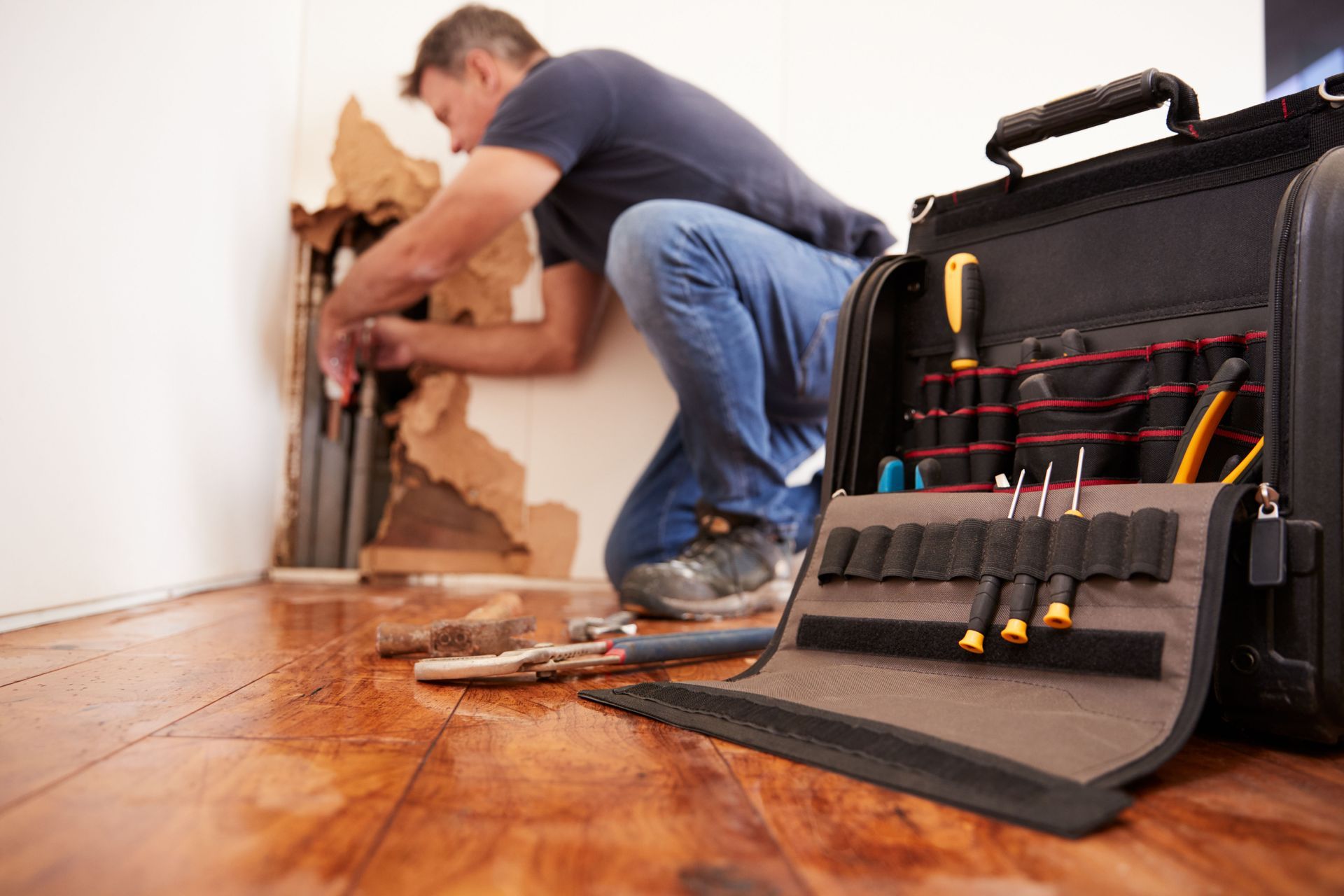
The restoration process may also involve addressing the source of the water intrusion to help prevent another incident. For example, a damaged pipe may need plumbing repairs, while exterior drainage concerns may require attention to reduce future flooding risks. Coordinating these necessary improvements helps ensure that the property receives more than a temporary cleanup. Experienced restoration professionals can assess the damage, explain which repairs are needed, and establish a practical recovery plan. Working with qualified technicians also helps property owners navigate the different stages of water damage restoration without overlooking important details.
Misunderstandings about water damage can lead to delayed responses, incomplete drying, and unnecessary property deterioration. Recognizing that moisture can remain hidden, that extensive damage often requires specialized equipment, and that complete recovery involves more than surface cleanup helps property owners make better decisions when an incident occurs.
Professional assistance provides a more comprehensive approach to identifying affected materials, removing excess water, drying structural components, and addressing necessary repairs. With prompt attention and appropriate water damage restoration methods, property owners can limit further damage and work toward returning their homes or businesses to safe, functional conditions. When water threatens a property, contact Restoration Contracting Services to take the first step toward a thorough recovery.